Kalighat Temple Puja Booking Online—Darshan & Complete Visit and Pilgrimage Guide
Maa Kali’s presence at Kalighat is felt the moment you arrive. For millions of devotees, this is not just a temple visit—it is one of the most powerful spiritual experiences of their lives. Every day, thousands of devotees visit the temple, with attendance rising sharply during Kali Puja and Diwali. Most leave with an experience that goes beyond any temple visit they have had before. The difficulty begins when visitors face long queues, entry agents charging extra fees, and unfamiliar rituals. This guide covers everything you need: darshan information, online puja booking, and the temple's spiritual significance. Namah Karo’s service ensures a complete darshan and puja experience—with purohit guidance, your chosen dakshina, and no confusion.
Kalighat Temple History & Significance — With Roots Going Back 1,500 Years
Gupta Empire coins found at Kalighat prove that this location has operated as a religious site for more than 1,500 years. The 15th-century text Mansar Bhasan contains the earliest documented written records.
King Manasingha commanded the construction of a permanent shrine during the early 16th century, while the Sabarna Roy Choudhury family built the current temple between 1798 and 1809 after they donated 595 bighas of land for its maintenance.
Why Kalighat Is One of the 51 Shakti Peethas
According to the Devi Bhagavata Purana, Lord Shiva’s intense mourning after Goddess Sati’s death created a situation that could lead to universe destruction. Lord Vishnu intervened—Sati’s body fell to earth in pieces, and each spot became a Shakti Peetha. Kalighat marks the location where her right toe made contact with the earth.It is counted among the four Adi Shakti Peethas—the highest tier of all 51 sacred sites. The presiding deity is Maa Kalika, worshipped here alongside Lord Shiva as Nakuleshwar Bhairava.
Planning Your DarshanHere’s a guide to visiting Kalighat Temple, designed to help you plan your trip smoothly:
• Pre-booking helps avoid common issues during the visit. Booking your slot online through Namah Karo before you travel means no last-minute queue surprises—your date and time are confirmed before you arrive.
• Agents outside the temple often charge more than the actual amount. Do not engage touts near the entrance who offer faster access—they routinely overcharge. All Namah Karo costs are published upfront at namahkaro.com.
• The temple lanes can be crowded and confusing—a guide helps. A Namah Karo volunteer meets you at the entrance, stays with you through the rituals, and ensures you don’t miss any step of the puja.
What Makes Namah Karo Different from Other SourcesNamah Karo is for devotees who want a real, in-person darshan—not a remote ritual. You visit Kalighat yourself, witness darshan directly, and take part in the rituals. Namah Karo simply makes sure every practical detail is sorted before you arrive.
• Book online in advance—Select your date, time slot, prasad, and dakshina at namahkaro.com before you leave home.
• No extra charges—All costs are published upfront. What you see is what you pay.
• Pay at the temple—No advance payment. Pay cash directly at the temple on the day.
• On-ground support—A local Namah Karo guide meets you at the entrance and stays until your puja is done. Dakshina is entirely one’s choice—starting from ₹101. All the payment options are shown clearly on namahkaro.com before you confirm. You pay exactly that amount at the temple—nothing more.
Six Easy Steps to Book Your Kalighat Darshan Online1. Go to the website Namahkaro.com and select the Kalighat Temple Page.
2. Select your time slot and date.
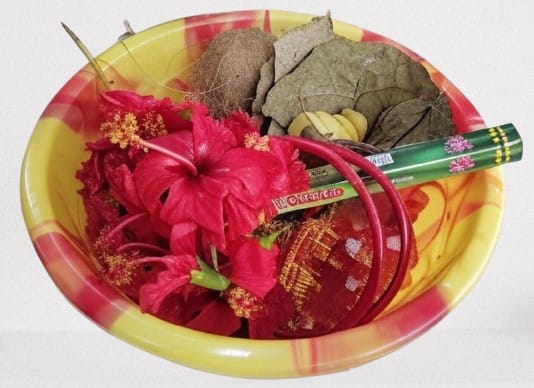
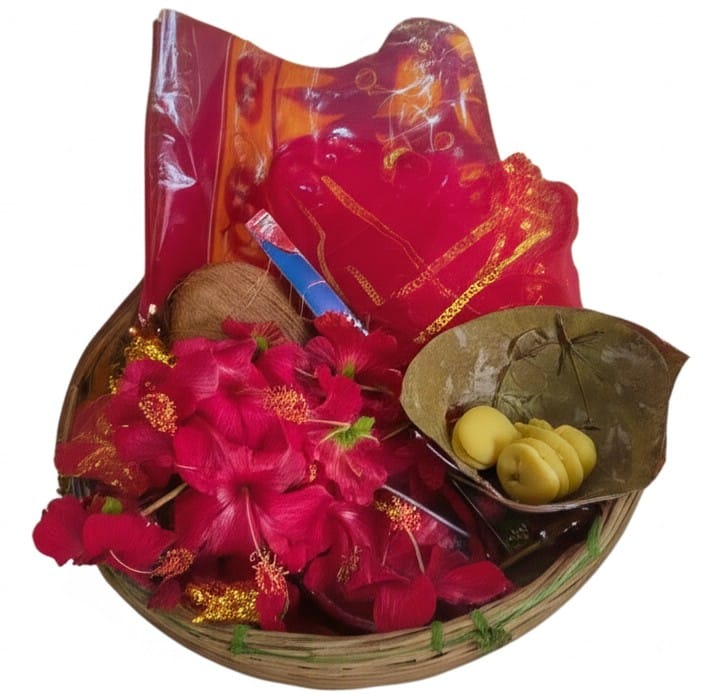
3. Select your prasad package—Basic, Standard, or Premium.
4. Choose your dakshina amount (starts at ₹101).
5. To confirm your booking, verify your mobile number.
6. Visit the temple on your slot day. Namah Karo volunteers meet you at the entrance & complete the payment at the temple office.
Important Tips for Visiting Kalighat Temple• Arrive early—Morning darshan before 7:00 AM is the quietest, with the shortest lines.
• Avoid outside agents—Do not engage anyone at the entrance offering faster entry. They overcharge.
• Carry only essentials—Carry your phone for booking verification along with some essentials, and leave all your valuable items at your accommodation.
• Photography—Photography is strictly prohibited inside the temple.
Book Your Kalighat Darshan TodayThe Kalighat Kali Temple is full of energy, history, and deep spiritual power. All you carry into the temple is your devotion—Namah Karo handles everything else.
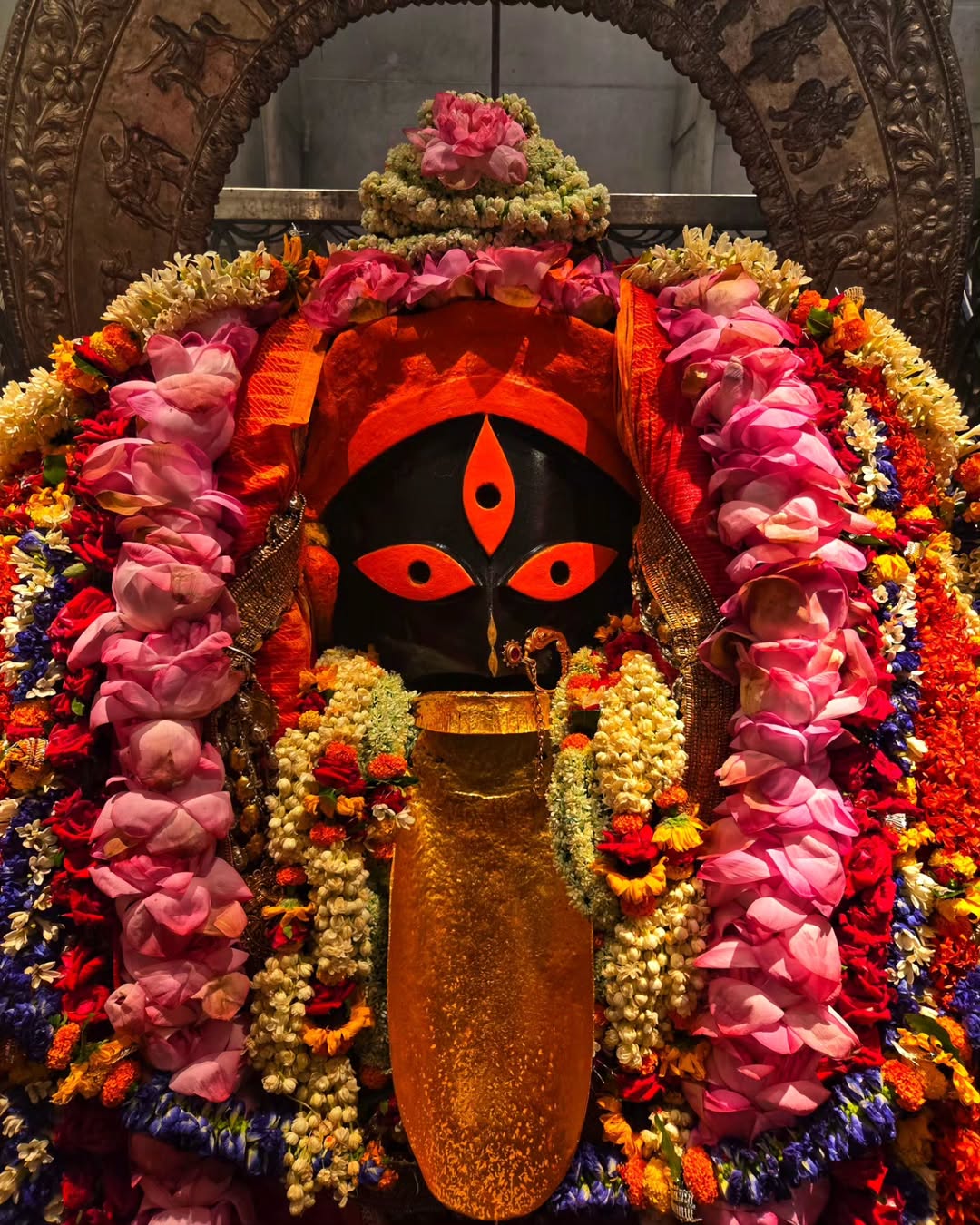
 Kali Puja / Diwali (October–November)